The Real-Grass Revival: Why Fake Turf Is Losing Its Grip on UK Gardens
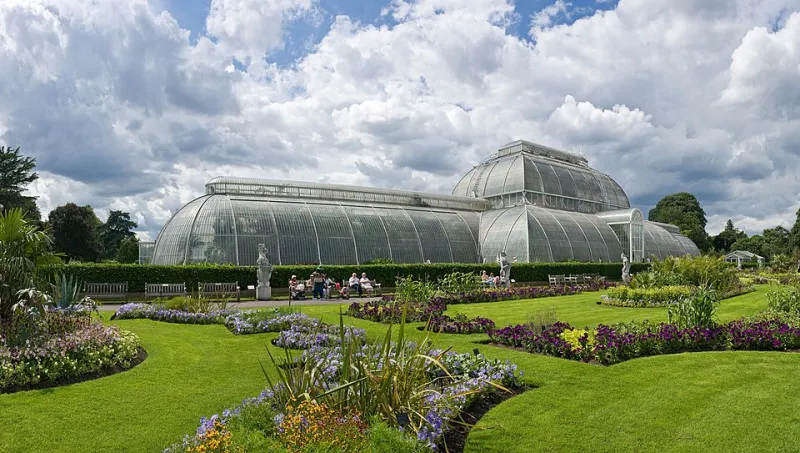
Photo: Diliff, CC BY-SA 3.0, via Wikimedia Commons
Walk around a new-build estate or a freshly renovated back garden and you can still spot the tell-tale uniform green. Artificial grass has been the default answer to muddy feet, shady corners and busy lives for years. But in 2026, the conversation has changed. The best UK gardens are not necessarily the ones with the neatest plastic rectangle. Increasingly, they are the ones with a living lawn that has been designed to cope.
This is not a purge on every plastic lawn in Britain. There are places where artificial grass genuinely earns its keep. But as a default surface for an ordinary garden, it is looking increasingly out of step with what homeowners, buyers and planners seem to want.
Fair's fair: fake turf had a useful moment
It is easy to forget why artificial grass took off. For a balcony, a roof terrace or a courtyard where nothing will grow, it can provide a clean, usable surface without mud. In very deep shade, under heavy foot traffic, or where a garden is really an outdoor room, plastic grass can be a pragmatic choice. It is also understandable for landlords who want a quick, uniform finish.
But those are specific problems. The trouble is that artificial turf has often been sold as a universal upgrade — the low-maintenance lawn for everyone. That claim deserves a harder look in 2026.
The drainage question has become impossible to ignore
The UK is not short of rain, and our winters are getting wetter in many places. A living lawn is a slow, leaky sponge. It takes in water, holds some of it and lets the rest move down into the soil. Artificial grass is a plastic sheet with holes punched in it, sitting on a compacted sub-base. In a heavy downpour, it can behave less like a lawn and more like a paving slab.
That matters for gardens, but it also matters beyond the back door. Surface water has to go somewhere. When more gardens are hard-surfaced or covered in impermeable turf, runoff increases and drains take the strain. Planners and developers have become more alert to sustainable drainage and flood risk, and homeowners are starting to ask where the water from their garden actually goes.
A soggy artificial lawn is also a maintenance problem in disguise. Water sitting on a compacted base can leave the surface squelchy, encourage algae and make the whole thing smell less than fresh.
Heat, microplastics and the small print
On a hot day, artificial grass can become uncomfortably warm underfoot — not ideal for children, pets or bare feet. But the bigger concern is what it sheds. Plastic fibres wear down, infill can migrate into soil and water, and the material has to be disposed of at the end of its life. Even sand-filled or less crumb-heavy versions are still plastic.
That does not make every artificial lawn a catastrophe. It does mean the low-maintenance promise comes with a long tail of environmental cost that was rarely mentioned in the showroom.
A lawn is a habitat, not just a surface
A living lawn is not a meadow, and it is not a biodiversity hero on its own. But it is alive. Worms pull organic matter down, birds hunt for leatherjackets, beetles move through the soil, and the roots hold the ground together. A plastic lawn is a sterile surface. Underneath it, the soil is often compacted and starved of air.
For UK gardeners who care about wildlife, that matters. A lawn with a few daisies, some moss and a scruffy edge is not a failure. It is a functioning outdoor space. The perfectly uniform green rectangle is often the least interesting thing in the garden.
Buyers and planners are reading the room
Estate agents will tell you that gardens sell houses, but the details are shifting. Increasingly, buyers see artificial grass as something they may have to remove rather than a feature worth paying for. Some local councils and planning authorities have taken a dimmer view of large areas of plastic turf, particularly where drainage and biodiversity are part of the planning conversation. Even where there is no formal rule, the mood has changed.
In 2026, the aspirational garden is less about pretending the weather is always good and more about designing for the weather we actually get. That means lawns that can handle a dry summer and a wet winter without turning into a chore.
When artificial grass still makes sense
Let us be fair. If you have a north-facing balcony, a roof terrace or a courtyard with no soil and no realistic chance of growing grass, artificial turf may be the sensible option. If a garden is used as a heavy-duty play surface all year round, there is an argument for it. If you do choose it, buy the best quality you can, insist on proper drainage and avoid pretending it is maintenance-free. It still needs sweeping, brushing and occasional cleaning.
The problem is not artificial grass existing. The problem is it becoming the default answer to every difficult lawn.
Bringing a tired plastic lawn back to life
Rehabilitating an artificial lawn is a project, not a quick swap. The old surface and sub-base need removing properly, and the plastic should be disposed of responsibly — not rotavated into the soil. Then comes the important part: fixing the ground underneath. If the soil is compacted, poorly drained or shallow, real grass will struggle just as much as the plastic did.
Aerate and improve the soil, correct levels where water sits, and add organic matter. Then decide whether to lay turf for an instant finish or seed for a wider choice of mixes. Autumn and spring are the classic windows for sowing, but turf can be laid when conditions are right and water is available.
Choose a seed mix for your soil, light and lifestyle
The mistake many homeowners make is buying a generic lawn seed and hoping for the best. A low-input mix for a sunny, free-draining garden is very different from a tough family lawn in partial shade. Start with a soil test and look honestly at light levels and wear. Fine fescues and bent grasses suit lower-input lawns, while tougher ryegrass and tall fescue mixes stand up to children and dogs. Microclover can be added for nitrogen and drought tolerance, but it is not to everyone's taste.
A lawn that suits its site needs less feeding, less watering and less patching. That is the real low-maintenance story.
Design a lawn for both wet and dry weather
A resilient lawn is not just about seed. It is about shape, drainage and how the garden is laid out. Awkward narrow strips and tight corners are hard to mow and easy to neglect. Wider curves, generous borders and practical paths reduce maintenance and make the lawn look intentional.
Aerate regularly, cut a little higher in dry spells, leave clippings occasionally and use borders and mulch to hold moisture. In wet areas, a soakaway or rain garden can take pressure off the lawn. In dry summers, a water butt and a sensible watering routine will do more than a last-minute sprinkler panic.
The best UK gardens of 2026 are not rejecting lawns. They are designing better ones — living surfaces that earn their place. Artificial grass can still be the right answer for a balcony or a deep-shade courtyard. But as a default for the average British garden, its moment has passed.