Draw the Line First: The Quiet Design Move That Makes a UK Garden Feel Finished

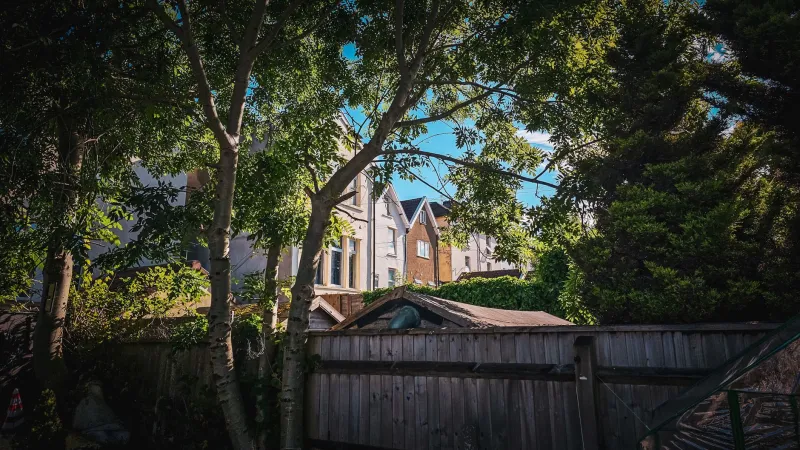
Photo: crisp lawn edge steel border edging small UK garden, via www.tastingtable.com
There is a moment in every good garden makeover when the plants are still in their pots, the paving is half-laid, and nothing looks especially promising. Then someone cuts a clean line between lawn and border. Suddenly the space has bones. That is the strange power of edging: it is not a plant, a pot or a piece of furniture, yet it can do more for a garden than any of them.
In small UK gardens this matters even more. When the plot is compact, every line is on show. A wobbly edge makes the whole garden feel scruffy, while a crisp one makes the planting look deliberate rather than accidental. The trick is to aim for a garden that feels tidy but not tamed: sharp structure at ground level, with looser planting above it.
Why edges do the heavy lifting
Think of edging as drawing the rooms of your garden. It separates lawn from border, gravel from paving, and planting from path. Without that separation, a small garden can blur into a single green smear. With it, the eye has something to follow.
There is also a maintenance argument. A defined edge means you can mow up to the border without nibbling plants, and you can cut back a border without spilling soil onto the lawn. It saves time, but it also sets the visual standard for everything else. Once the line is crisp, you notice the shaggy bits less and the healthy bits more.
The mistake is treating edging as a finishing touch. It is better thought of as the first design decision. Choose the line before you choose the plants, because the line decides how the garden is read.
Pick a material that suits the plot
There is no single best edging material, only the right one for your garden, budget and patience.
Steel is the cleanest look. A slim galvanised or powder-coated edge almost disappears, leaving the lawn and border to do the talking. It works beautifully in contemporary gardens and narrow plots where bulky borders would eat space. It costs more than timber, but it lasts, and it is easy to mow over if installed at the right height.
Timber is the familiar choice, and still a good one. Pressure-treated boards or log rolls give a softer, more traditional line. Timber suits cottage-style gardens and raised beds, but it will weather and eventually rot, especially where drainage is poor. Treat it as a long-term consumable rather than a forever material.
Brick brings permanence and a bit of craft. A single course of bricks set level with the lawn makes a handsome edge in older gardens, and it can double as a mowing strip. It is more work to install, and frost can shift badly laid bricks, so proper preparation matters.
Recycled plastic has improved enormously. Flexible plastic edging is light, rot-proof and easy to curve around borders. It will not win any awards for subtlety in its chunky forms, but the slimmer profiles are perfectly respectable and ideal for damp corners where timber gives up.
The clean-cut technique
A tidy edge is less about brute force and more about repetition. Start with a string line or a garden hose to mark the shape. Step back and check it from the kitchen window, because that is the view you will live with most.
Use a half-moon edger or a sharp spade. Cut vertically down along the line, about 5–8cm deep, then lift the turf cleanly and shake the soil back into the border. Work in small sections and keep the tool upright. A slight backward lean on the border side helps stop soil spilling onto the lawn.
For loose edging such as steel or plastic, knock it in with a rubber mallet, checking with a spirit level as you go. Leave 2–3cm proud of the soil if you want a visible edge, or almost flush if you want the mower to glide over it. For timber, set boards on a firm base and check the line before fixing. For brick, do not rush the base: a wobbly foundation will show up after the first wet winter.
Wet winters, dry summers
British weather is hard on edges. Wet winters heave and soften the ground, while dry summers can shrink clay soils and leave gaps. The answer is not to fight it but to check the line twice a year.
In autumn, re-cut any fuzzy lawn edges and tidy the border side before the ground gets too wet. In spring, check metal and plastic edging for heave and tap it back down. Timber that has rotted at the base is better replaced than patched. Keep mulch away from the immediate edge, because a buried line disappears and grass soon creeps over it.
In dry spells, avoid scalping the lawn right up to the edge. Leave a little strength in the grass so it does not die back and leave a ragged gap. And when mowing, resist the urge to use a strimmer as an edging tool. It is quick, but it frays the line you have just spent a weekend creating.
A tidy edge, a livelier border
The real prize is contrast. A sharp edge allows the planting to be looser, softer and more generous. You can let nepeta flop over the line, allow grasses to arch, and leave seedheads standing into winter, because the structure underneath keeps the garden from looking neglected.
That is the balance worth aiming for in a UK garden: order at the base, life above it. Edging is not about making a garden sterile. It is about giving the wilder bits a frame.
Start with one line, perhaps the main lawn edge you see from the house. Cut it properly, keep it sharp through the seasons, and let the rest of the garden follow. It is a small job with an outsized effect, and in a compact plot it may be the best-value design move you make this year.