Parking Included: Seven Front-Garden Upgrades That Make a Good First Impression
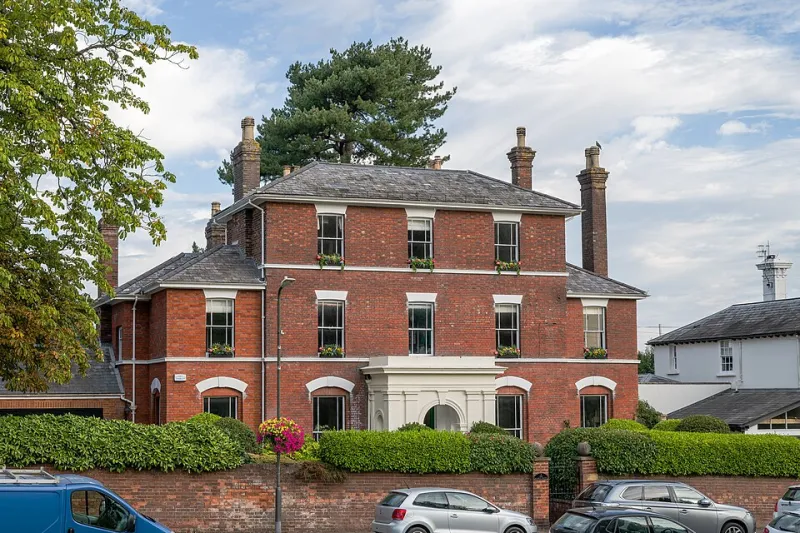
Photo: Tilman2007, CC BY-SA 4.0, via Wikimedia Commons
The front garden is the handshake of the house. It is also the bit of the plot that has to work hardest. Bins, bikes, deliveries, children, visitors and the car all want a piece of it. The good news is that you do not have to choose between a welcoming frontage and somewhere to park. With a bit of planning, a UK front garden can look smart, support wildlife and still leave room for the motor.
Start by measuring the space properly. A usable parking bay is usually about 2.4 to 2.5 metres wide and 4.8 to 5 metres long, with enough room to open doors and walk around the car. If that leaves only a narrow strip for planting, work with it rather than pretending you have more room than you do. The best front gardens are honest about their job.
1. Put in a permeable parking bay, not a paving carpet
A single parking bay is usually enough for most homes, especially if you keep the rest of the front garden planted. Permeable block paving, resin-bound gravel, reinforced grass or a gravel grid can all work, provided the base is right. The aim is to let rainwater drain away slowly rather than sending it straight into the street drain.
Budget: around £1,500 to £4,000 for a small bay, depending on surface and access. Watch out for the planning rule in England that impermeable front garden surfaces over five square metres may need planning permission unless they drain to a permeable area. Check with your local authority before you order the skip. If you need a dropped kerb, that is a separate council application and usually a separate cost.
2. Plant the edges, not just the middle
A parking bay looks much better with a planted edge. A narrow border of evergreen shrubs, low perennials or a clipped hedge can frame the space and stop it feeling like a forecourt. Pots either side of the door are an easy win, but make sure they are heavy enough not to blow over and positioned so they do not block the path.
Good low-maintenance choices include sarcococca for scent, hebe for evergreen structure, lavender in a sunny spot, and ferns or hellebores in shade. Add a few spring bulbs for early interest. Budget: £50 to £300 for plants and compost if you are doing it yourself. This is the upgrade that gives the most kerb appeal per pound.
3. Choose a low-maintenance lawn or a clover alternative
If you want some green underfoot, keep it simple. A small lawn is fine, but it needs light and drainage. In a shady front garden, a lawn can become a muddy mess. Clover is a useful alternative in sunny, low-traffic areas: it stays green, feeds pollinators and needs less mowing. Micro clover is neater than the wild version, though it will not survive being parked on.
For a family lawn, choose a hard-wearing seed mix and keep the shape simple. Edges are easier to maintain if they are straight or gently curved rather than fussy. Budget: £20 to £150 for seed or turf on a small area. If the ground is compacted from building work, fork it over and add organic matter before you sow.
4. Upgrade the boundary without blocking the light
A low hedge, a simple wall or a well-made fence can give the front garden a frame and a bit of privacy. Hedges are better for wildlife and soften the street, but they need clipping. Fences are quicker, but check the rules: in England, front garden fences or walls next to a highway are usually limited to about one metre high under permitted development, though local rules can vary. Always check before you build.
If you want a hedge, choose something that suits your space. Yew and holly are neat but slow. Privet is fast but hungry. Beech and hornbeam hold their leaves through winter, which is useful for screening. Budget: £150 to £1,000 depending on length and whether you plant bare-root or buy mature plants.
5. Add lighting that helps, not dazzles
A couple of warm-white bollards or wall lights can make the front garden feel safer and more welcoming. Solar lights are cheap and easy, but they can be dim in winter. Mains-powered lights with a timer are more reliable. Keep them low, aim them down and avoid lighting the whole street.
Budget: £30 to £250 for a small solar or battery set, or £250 to £700 if you want an electrician to fit proper outdoor circuits. Check that fittings are suitable for outdoor use and keep cables away from the car bay.
6. Sort storage before it sorts you
Bins and bikes are the enemies of kerb appeal. A simple bin store or bike box can tidy the front garden in an afternoon. Choose one that suits the house, not just the cheapest option online. A bench with storage can double as a place to sit and a home for parcels or tools.
Budget: £80 to £400 for a basic store, more for bespoke joinery. Make sure it does not block the path or the car doors. If you are in a terrace, check whether a store needs permission from the council or freeholder.
7. Deal with drainage before you decorate
A front garden that puddles is a front garden that will annoy you every winter. Look at where water collects and deal with it before adding plants or lights. A shallow channel, a gravel strip or a rain garden planted with moisture-loving perennials can help. Keep drains clear and make sure any new surface falls away from the house.
Budget: £50 to £500 for simple drainage improvements, more if you need a professional to redesign levels. This is not the glamorous part, but it is the part that keeps the rest looking good.
Before you lift a slab
Check the rules first. In England, front garden parking is often permitted development, but not always, and the five-square-metre drainage rule catches people out. Dropped kerbs need council approval. In Wales, Scotland and Northern Ireland the rules differ, so check with your local authority. If you live in a conservation area or a listed building, assume you need consent until told otherwise.
Also think about the street. A front garden that is all paving adds to surface water flooding and heat, and it does nothing for birds or pollinators. A planted edge, a hedge and a permeable surface are small changes that make a real difference.
The best front gardens are not the ones with the most stuff. They are the ones where the car, the path, the bins and the planting have been thought about together. Get that balance right and you will have a frontage that looks welcoming all year, without giving up the parking space you actually need.