Keep the Turf Out of the Argument: Shielding Your Lawn From Building Work
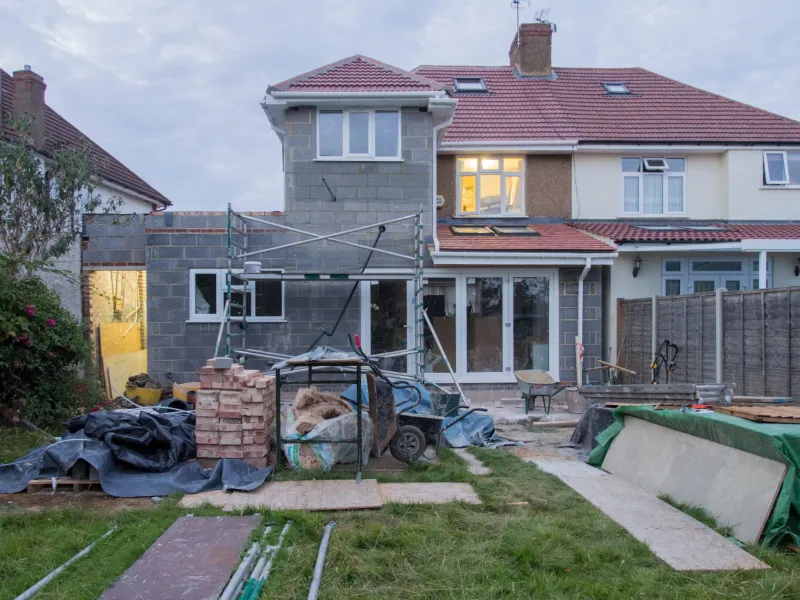
A home extension is usually a good thing. More space, better light, maybe a proper utility room at last. The lawn, unfortunately, does not always share the enthusiasm. By the time the skip has arrived and the first pallet of bricks has been dragged across the grass, the damage is often already decided.
The good news is that most of it is preventable. You do not need a landscaper on site every day, but you do need a plan that treats the lawn as part of the site rather than an inconvenient patch of green between the gate and the back door.
Decide where the site actually begins
Before anyone lifts a spade, walk the garden with the builder and agree the working area. Mark it clearly. That means the skip position, the mixer, the material drop-off, the scaffolding feet and, most importantly, the route people will use to get from the front to the back.
Be specific. A vague instruction to keep off the grass will last roughly until the first barrow load. Use cones, tape, scaffold boards or a line of pots to show the route. If there is a side return, make that the default corridor. If the only way through is across the lawn, accept that and build for it.
Build a temporary road, not a polite suggestion
For light foot traffic, a few scaffold boards may be enough. For wheelbarrows, pallets and deliveries, you want something more substantial. Trackway panels are the gold standard, but they are not cheap to hire for a small job. A practical DIY alternative is a geotextile membrane covered with a layer of gravel, topped with plywood or scaffold boards along the main route.
Do not forget turning points. People cut corners when carrying heavy things. Protect the areas where a barrow is likely to swing round, and put boards down at doorways and gateways where mud gets dragged. A single designated route is far better than a dozen spontaneous ones.
Protect the edges as well as the middle
Lawns rarely suffer alone. Borders, shrubs and young trees are also at risk from stacked materials, washed-out mortar and boots. Board over beds that sit beside the route, and keep soil heaps off the grass. If soil must be stored, put it on a tarpaulin on the driveway or a hard surface, not on the lawn you are trying to save.
Check where scaffolding is going. Legs need proper support, and the ground beneath them needs to be protected. If a scaffold tower is going up near a fence or a mature shrub, ask the contractor how they plan to avoid root damage. It is a fair question, and better asked before the lorry arrives.
Sequence the messy work sensibly
The order of work matters. Get the dirtiest jobs done first, while the lawn is already sacrificial, rather than saving them for the week after you have repaired it. Digging, mixing and heavy deliveries should happen before any turf is lifted or seed is sown.
If the project is happening in winter, do not pretend the lawn will escape. Wet UK clay soils compact badly under boots, never mind a wheelbarrow. Keep the route as short as possible, and avoid walking on saturated grass at all. A lawn that is merely muddy can recover. A lawn that has been kneaded like dough may not.
Compaction is the quiet damage
When the builders leave, the lawn may look more or less intact. Do not be fooled. Compacted soil is the hidden problem, especially on clay. Water sits on the surface, roots struggle, and the grass thins out in the following months.
Once the site is clear, assess the damage properly. If there are deep ruts, lift the worst sections and set them aside. For the rest, wait until the soil is moist but not soaking, then aerate. A garden fork pushed in and wiggled will do for small areas. For larger lawns, a hollow-tine aerator is worth hiring. Brush a sandy top dressing into the holes afterwards to improve drainage and relieve the surface pan.
Do not reach for a rotavator unless you know what you are doing. It can make a uneven surface worse and bring weed seeds up to the light. Slow and steady wins here.
A realistic repair timetable
Autumn is the classic lawn repair window in the UK. The soil is warm, the air is cool and seed germinates well. If your building work finishes in late summer or early autumn, you are in luck. Clear the site, relieve compaction, level any hollows, add a little topsoil where needed, then overseed with a hard-wearing mix. Keep foot traffic off it and water if the weather turns dry.
If the work runs into November or December, do not force it. Tidy up, protect the worst areas with boards or a temporary mulch, and wait. Early spring is the next realistic slot. Seed once the soil has warmed slightly and the worst frosts have passed. Turf can go down a little earlier, but it still needs moisture and a firm, level bed.
If you are repairing in spring, expect to water. A new lawn in a dry April will not forgive you. If you are repairing in summer, consider turf rather than seed if you need quick cover, but be prepared to water it daily until it knits in.
Keep a record while the work is happening
Take photographs before the builders start and again at the end. Note where materials were stored, where the scaffold stood and where the ground was rutted. This is useful for your own repair plan, and it is surprisingly helpful if you need to discuss snagging or damage with a contractor later.
A lawn can come back from building work. It just needs a bit of forethought, a clear route and a repair plan that matches the season. Protect it now, and you will spend less time next year staring at a patchy rectangle and wondering where it all went wrong.