Read the Light Before You Sow: Planning a Shade-Smart Lawn for a UK Garden
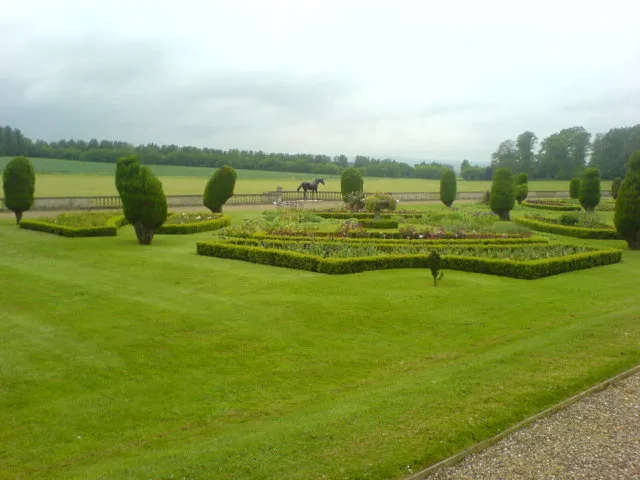
Photo: Mike Shenton, CC BY-SA 2.0, via Wikimedia Commons
Most UK gardeners do not have a perfectly open, south-facing lawn. They have a patch that is bright at lunchtime, gloomy by four, damp under the hedge and baked by the patio in a heatwave. That is normal. The mistake is choosing a lawn mix, border scheme or seating layout before understanding how light moves across the plot. A simple shade map is a far better starting point than another bag of fertiliser.
Start with a sketch, not a seed bag
You do not need surveying equipment. A rough plan of the garden, a pencil and a few observations over a sunny day will tell you more than most product labels. Mark the house, fences, hedges, mature trees, shed, patio and main planting beds. Then note where the sun sits at breakfast, midday, mid-afternoon and early evening. If you cannot stand outside all day, take photos from the same spot every couple of hours and compare them later.
Do this twice: once in summer, when the sun is high and borders are full, and once in winter, when light is low and shadows stretch much further. UK gardens can feel like two different places across the year. A corner that seems shady in June may be almost fully shaded in December, and a lawn that copes in spring can struggle after a wet autumn. Also note where the ground stays spongy, where moss appears first and where frost lingers. Those clues matter as much as the sun itself.
Why north-facing gardens and boundary hedges change the rules
A north-facing garden is not doomed, but it is cooler, slower to dry and often lit by softer, indirect light. Grass in these plots tends to grow more slowly, which sounds convenient until you realise it also recovers more slowly from wear. Combine that with compacted soil or a thick boundary hedge and you get the classic UK shade-lawn problem: thin turf, moss, bare patches and a temptation to water and feed harder.
Boundary hedges are another big factor. A hedge that casts shade for part of the day may still be worth keeping for privacy, shelter and wildlife. The answer is rarely to remove every mature plant. Instead, think about raising the canopy of trees, trimming hedges at the right time and keeping the darkest zone for planting or hard landscaping rather than a high-maintenance lawn. Low winter light makes this even more important: shadows from fences and buildings reach further than many people expect.
Match the lawn to the light you have
If you want grass, choose a mix suited to shade rather than a general-purpose lawn seed. Fine fescues and some bent grasses cope with lower light levels better than mixes dominated by perennial ryegrass, which tends to want more sun and more recovery time. A reputable UK seed supplier will list shade tolerance, wear tolerance and maintenance needs. Read those details before buying.
Just as importantly, stop treating shade as a watering problem. Shady lawns usually need less water, not more. Extra feed can push soft, weak growth that moss and disease exploit. Mow a little higher, mow less often in cool weather and keep the blade sharp. Aerate compacted areas, clear fallen leaves before they smother the grass and overseed thin patches in early autumn when the soil is warm and moisture is reliable.
Design moves that make shade feel deliberate
A shady garden can be beautiful, but it needs a different design language. Instead of fighting for a bowling-green finish, reduce the lawn to a clear shape and let planting do more of the work. Curves can look soft and natural, but simple rectangles and generous borders are often easier to maintain in low light.
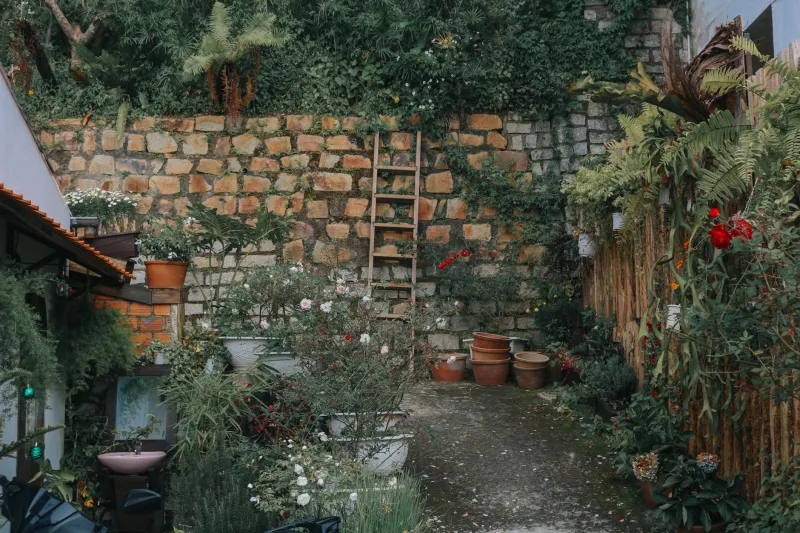
Use pale paving, gravel or painted fencing to bounce light around. Keep the darkest corners for ferns, hostas, foxgloves, astilbes, hellebores and shade-tolerant shrubs. Acer foliage can add colour without demanding full sun. A bench placed where the afternoon light actually reaches will be used far more than one stranded in the gloom. If privacy is the reason for a tall hedge, consider a lower mixed hedge or a fence with climbing plants so more light reaches the lawn.
A practical 2026 plan for a shady plot
Start by mapping the garden across a full day and a full year. Then decide how much lawn you genuinely need. In many UK gardens, a smaller, well-shaped lawn surrounded by generous planting is easier to keep healthy than a large rectangle that struggles under trees. Improve the soil with organic matter, deal with drainage before you sow or turf, and choose a shade-tolerant mix if grass is staying.
Finally, adjust your maintenance to the conditions. Less water, less feed, higher cuts and regular leaf clearance will do more for a shady lawn than a heroic summer rescue mission. The aim is not to pretend the shade is not there. It is to design a garden that looks intentional, stays usable and gives the grass a fair chance.