Thirty Centimetres of Calm: The Edging Move That Makes a Lawn Look Cared For
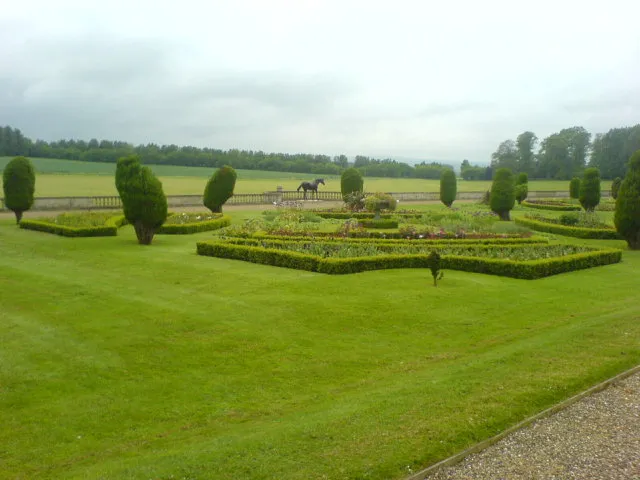
Photo: Mike Shenton, CC BY-SA 2.0, via Wikimedia Commons
Most lawns do not let themselves down in the middle. They let themselves down at the edge. That ragged fringe where grass meets border, path or fence is the bit your eye picks up from the kitchen window, and it is usually the bit that takes the most fiddly work to keep tidy. A mowing strip is the quiet fix: a narrow, firm band around the lawn that gives your mower somewhere sane to run, keeps grass out of the borders and makes the whole garden look more deliberate.
Why 30cm earns its keep
A mowing strip is not just a decorative edge. It is a working surface. Thirty centimetres is the Goldilocks width for most UK gardens: wide enough for a mower wheel or a robotic unit to track along without dropping into soft soil, but narrow enough that you are not sacrificing a meaningful slice of border. If your mower has a broad rear roller or you are planning a robotic mower with a wide body, 35–40cm can feel more comfortable. Much below 20cm and you are often just creating a tidier line to strim, which rather misses the point.
The payoff is partly visual and partly practical. A crisp strip creates a clean line between lawn and planting, stops soil and mulch spilling onto the grass, and gives you a place to put your feet when you are weeding or planting. It also reduces the amount of edge-trimming you need to do, because the mower can reach the boundary instead of leaving a shaggy margin for the strimmer.
The width that actually works
Think about what has to travel along the strip. A traditional mower needs a firm, level run for its wheels. A robotic mower needs a predictable surface and a clear boundary, especially if its boundary wire runs along the edge. A wheelbarrow needs a little more room. In a small UK garden, 30cm is usually enough for all three without turning the lawn into a racetrack.
If you are fitting a strip beside a narrow border, measure the border first and be honest about what will be left. A 30cm strip in front of a 45cm border can leave very little room for plants. In that case, consider a narrower strip on one side and a wider one where the mower actually turns. The strip does not have to be identical all the way around. It just has to be consistent enough to look intentional.
Materials that suit British weather
This is not the place for loose gravel. It looks smart for a fortnight, then migrates into the lawn and plays havoc with mower blades and robot wheels. Better options are clay pavers laid flat, granite setts, concrete edging, or a compacted aggregate band with a stabiliser. Timber edging can work in a informal garden, but it rots in wet conditions and is less forgiving under a mower wheel.
Permeability matters in the UK, especially on clay soil. A strip that traps water will turn into a muddy trench in winter and a cracked, settlement-prone line in summer. Clay pavers on a properly prepared base are a reliable choice, and they can be lifted and reset if they shift. If you are using a solid edge, make sure it does not create a dam between the lawn and the border.
Levels and drainage: the bit people skip
A mowing strip should sit level with the lawn, or no more than about 10mm below it, so the mower wheels roll across without dropping. If the strip is too high, you scalp the grass. If it is too low, grass creeps over it and the edge disappears. Border soil should generally sit 25–50mm below the top of the strip, which keeps mulch and soil from washing onto the lawn.
Drainage is just as important. Aim for a gentle fall away from the house, roughly 1:80 to 1:100, and avoid any hollows where water can sit. On a slope, the strip can act as a small terrace, so check the levels as you go rather than assuming the lawn is flat. A string line and a spirit level will save you a lot of guesswork.
Robots, hover mowers and the traditional push-along
For robotic mowers, the strip is a quiet upgrade. It gives the machine a firm, flat track along the boundary and reduces the chance of it nosing into soft border soil or catching on uneven turf. Keep the surface smooth and avoid loose materials that can be flicked up. If the boundary wire runs along the strip, fix it neatly and check it after any resetting work.
Traditional mowers benefit too. The wheel can run on the strip instead of sinking into the border, which means a cleaner cut right up to the edge and less scalping on the turn. Hover mowers are less dependent on a firm track, but they still leave a tidier finish when there is a defined edge to work to. The strip is not a substitute for edging, but it makes edging quicker and less frequent.
Retrofitting without turning the garden upside down
You do not need to dig up the whole lawn. Work in sections, starting with the most visible edge, usually the one you see from the house. Mark a straight line with string, lift the turf in a 30cm band, scrape off about 30–40mm of soil, compact the base and lay your edging. Check the level against the lawn as you go, then re-turf or reseed the small gap behind the strip if needed.
Do a metre at a time and live with it for a week before carrying on. That sounds slow, but it is much better than discovering halfway round that the strip is too wide, too low or in the wrong place. Before you cut, check for irrigation lines, lighting cables and other buried services. In older gardens, roots and old paths can also get in the way, so keep a half-moon spade and a hand trowel nearby.
The small routine that keeps it sharp
Once the strip is in, maintenance is modest. Sweep leaves and grit off in autumn so they do not collect in the joints. In spring, check for settled pavers and top up the base if needed. Trim any grass that creeps over the line before it knits into the strip. If you have a robotic mower, keep an eye on the boundary edge after wet winters, when soil can shift.
It is a small detail, but it changes how the whole garden reads. A neat 30cm line gives the lawn a finished edge, saves you time with the strimmer and makes the space look professionally kept without demanding a professional budget. In 2026, with gardens getting smaller and weekends getting busier, that is a very good trade.